
Dr. Bhavya Trivedi,
MD, PhD, FHRS, FACC
Dr. Trivedi is one of the highest trained and
experienced pediatric cardiologists and
electrophysiologists in the Central FL region.
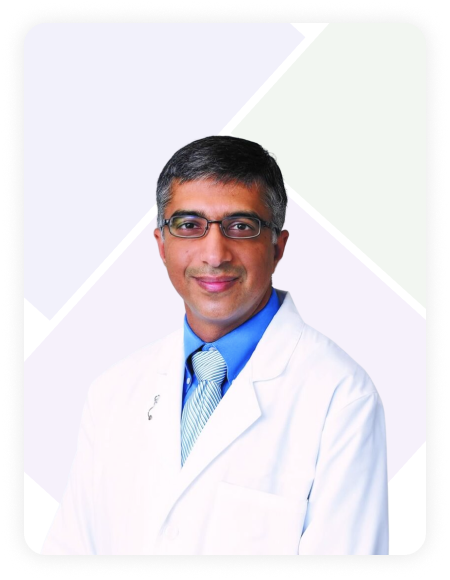
Dr. Bhavya Trivedi,
MD, PhD, FHRS, FACC
Dr. Trivedi is one of the highest trained and
experienced pediatric cardiologists and
electrophysiologists in the Central FL region.
Services Provided
Information
Dr. Bhavya Trivedi is a board-certified pediatric cardiologist and cardiac electrophysiologist based in Orlando, specializing in the diagnosis and treatment of heart rhythm disorders in children, adolescents, and adults with congenital heart disease.
Dr. Trivedi earned both his MD and PhD in Neuroscience from the University of Miami, followed by advanced training in pediatric cardiology and electrophysiology at Duke University Medical Center.
With over two decades of experience, he is recognized as one of the most highly trained electrophysiologists in Central Florida, with deep expertise in conditions such as Wolff-Parkinson-White syndrome, long QT syndrome, palpitations, syncope, and complex congenital arrhythmias.
Dr. Trivedi is the founder of the Children’s Cardiology Clinic, where he has built a practice focused on precision diagnosis, minimally invasive treatment, and a high-touch patient experience for families. His clinical approach emphasizes curative therapies whenever possible, including advanced catheter ablation techniques.
He is among a select group of specialists performing fluoroless (radiation-free) catheter ablation, using 3D mapping systems to treat arrhythmias safely while minimizing risk—particularly important in pediatric patients.
Prior to founding his practice, Dr. Trivedi served for a decade as Director of Pediatric and Congenital Electrophysiology at a major children’s hospital system, where he developed programs focused on complex arrhythmia management and procedural innovation.
Dr. Trivedi is triple board-certified in pediatric cardiology, electrophysiology, and adult congenital heart disease, and is a Fellow of the Heart Rhythm Society. He is also actively involved in advancing the field through research and the development of AI-driven tools for ECG screening and early detection of cardiac risk.
Known for his calm, direct communication style, Dr. Trivedi focuses on helping families understand complex cardiac conditions and guiding them toward the safest and most definitive treatment options.
His mission is simple: identify the problem early, treat it precisely, and when possible—cure it.